Yard Hydrant Installation Costs
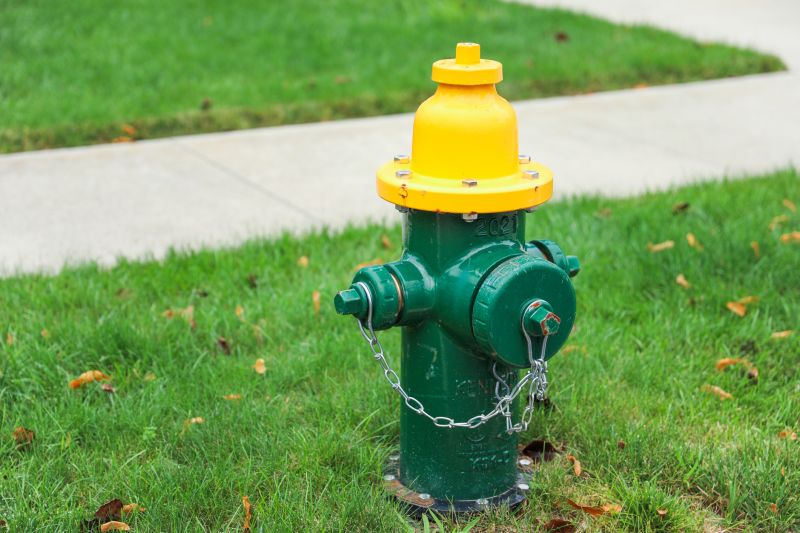
The placement of the yard hydrant affects excavation and accessibility costs.
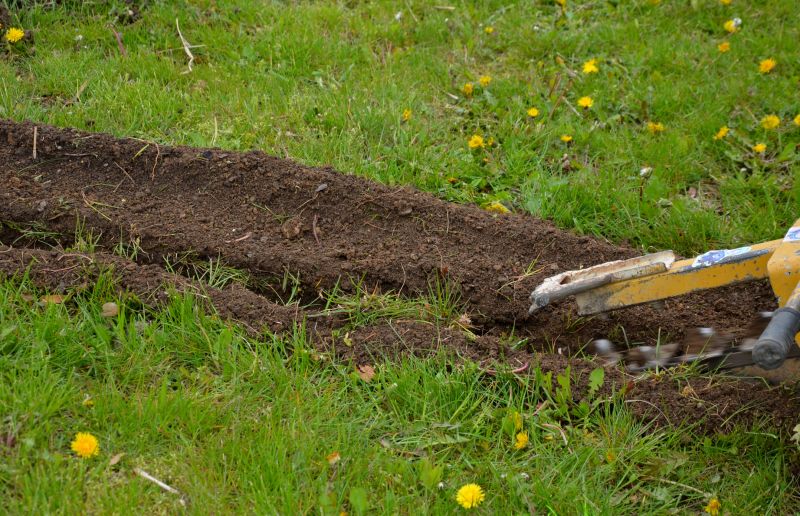
Different soil types may require specialized equipment or techniques, influencing costs.
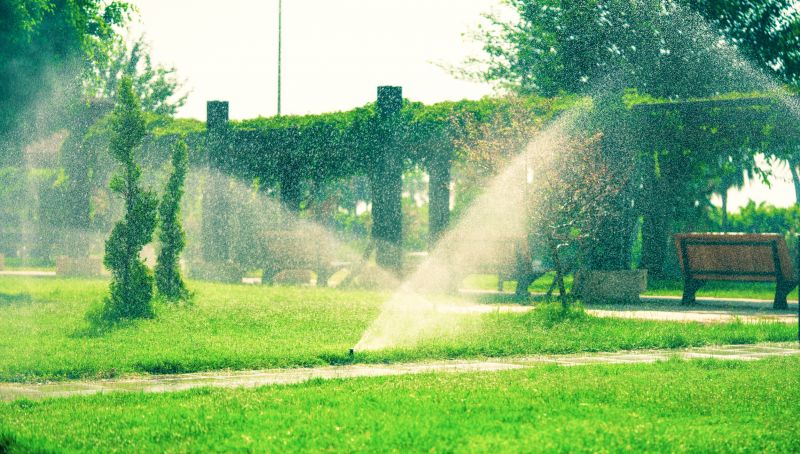
Choice of durable materials impacts both initial costs and long-term maintenance.
| Factor | Impact on Cost |
|---|---|
| Distance from Water Source | Longer distances increase excavation and piping expenses |
| Soil Type | Hard or rocky soils require additional equipment and labor |
| Hydrant Material | Premium materials cost more but offer greater durability |
| Permitting Requirements | Local regulations may add to installation expenses |
| Accessibility | Hard-to-reach areas may increase labor costs |
| Depth of Installation | Deeper setups require more extensive excavation |
| Additional Features | Includes anti-freeze or insulation, affecting overall price |
| Labor Rates | Regional labor costs influence total expenses |
Additional costs may arise from unique site conditions or specific customer requirements. It is advisable to evaluate these factors thoroughly to develop an accurate budget. Investing in quality materials and professional installation can enhance the durability and performance of the yard hydrant over time.
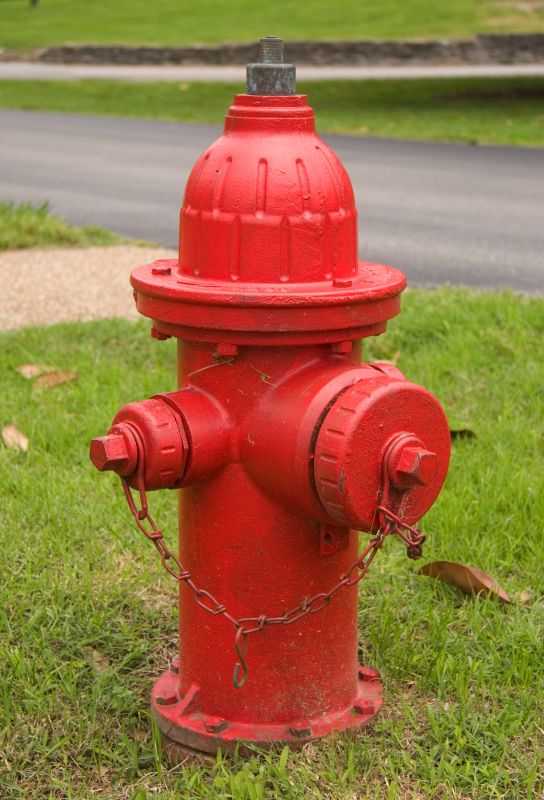
Components like valves and seals determine operational reliability and maintenance needs.
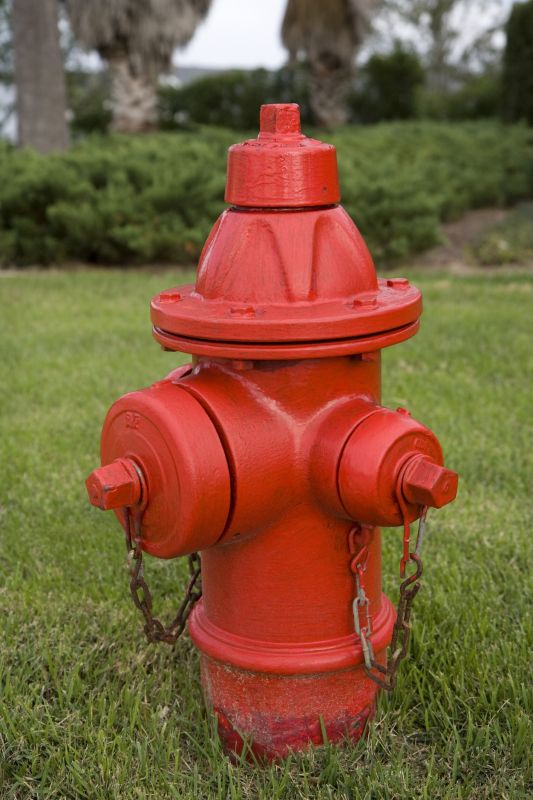
Proper fittings and connections influence installation complexity and costs.
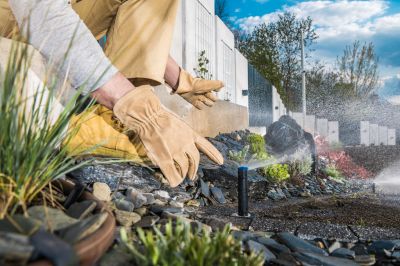
Additional features to prevent freezing or damage add to overall expenses.
| Service | Average Price Range |
|---|---|
| Basic Yard Hydrant Installation | $500 - $1,200 |
| Extended Pipe Run Installation | $1,000 - $2,500 |
| Hydrant Replacement | $300 - $800 |
| Custom Hydrant Design | $1,500 - $3,000 |
| Soil Stabilization for Hydrant | $800 - $1,800 |
| Insulation Installation | $200 - $600 |
| Permitting and Inspection | $100 - $400 |
| Maintenance Service | $100 - $300 |
| Emergency Repair | $200 - $700 |
| Upgrade to Automated System | $2,000 - $5,000 |